
Andy Burnham Takes Oath as MP Following Keir Starmer's Resignation
Andy Burnham sworn in as MP after Keir Starmer resigns as prime minister. New Labour leadership race begins with September parliament return deadline for succes...
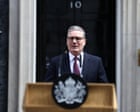
Andy Burnham Sworn in as MP Amid Major Political Transition
Andy Burnham took the oath as a member of parliament following the dramatic announcement that Keir Starmer has resigned from his position as prime minister. The unexpected departure has triggered significant developments within the Labour Party, with party officials confirming that a new leader will assume office before the parliamentary recess concludes in September. Andy Burnham's swearing-in marks a pivotal moment in the ongoing political restructuring, as the party begins preparations for leadership elections.
Timeline for Leadership Change Announced
Government officials have established a clear schedule for the transition of power, stipulating that parliamentary proceedings will resume in September with a newly appointed prime minister already selected. This timeline provides the Labour Party approximately two months to conduct its internal selection process and determine who will lead the nation moving forward. The accelerated schedule reflects concerns about maintaining political stability during this transitional period.
Political Background and Context
Keir Starmer's resignation arrives just two years after Labour achieved a historic election victory, surprising many political observers and analysts. The prime minister's decision to step down comes after mounting pressure from various party factions, each with differing perspectives on the direction of the government. Andy Burnham has emerged as a prominent figure in discussions surrounding potential successors, with significant backing from party members and fellow MPs.
Support for Leadership Contenders
Senior Labour figures have begun publicly endorsing potential candidates for the vacant leadership position. Wes Streeting, a prominent member of the party hierarchy, has specifically backed Andy Burnham as both the next Labour leader and future prime minister. This endorsement carries considerable weight within party circles and signals organized support for Burnham's candidacy among key government officials.
Commentary on Political Circumstances
Political analysts and commentators have observed the unusual nature of the current political climate. Tom Baldwin, Keir Starmer's official biographer and former communications director during Ed Miliband's tenure as Labour leader, has provided insights into the paradoxical situation. According to Baldwin's analysis, the pressure for Starmer to resign comes partially from those responsible for much of the recent political turbulence and uncertainty. Yet simultaneously, those pushing for his immediate departure have requested that he remain in office for several additional weeks until his successor becomes fully prepared to assume responsibilities.
Questions About Political Mandates
The resignation has raised important constitutional questions regarding political mandates and democratic legitimacy. Observers note that Keir Starmer retained a clear mandate from Labour Party members when he originally assumed leadership. Furthermore, he subsequently secured an electoral mandate from the British electorate when Labour won the general election that brought the party to power. This dual mandate has prompted some analysts to question the appropriateness of forcing a departure from leadership.
The Broader Political Landscape
The current situation reflects broader trends in contemporary politics, including what observers describe as the growing consumerization of political culture. Modern political movements increasingly treat party leadership as a consumer product subject to rapid replacement when satisfaction diminishes. Andy Burnham's emergence as a central figure in this transition exemplifies how senior politicians position themselves for advancement during periods of uncertainty.
Party Stability and Governance Concerns
Political commentators have expressed concerns about the extended period of uncertainty created by the transition. While a new leader will officially take office before September, the interim period between Starmer's resignation announcement and his formal departure creates a window of diminished leadership authority. This situation potentially complicates decision-making on critical national issues requiring decisive government action.
Looking Forward to September
As Andy Burnham assumes his duties as a sworn member of parliament, attention focuses increasingly on the leadership selection process. The Labour Party must balance the need for a thorough, democratic selection procedure with the accelerated timeline established by parliamentary scheduling. The outcome of this process will fundamentally shape the government's direction and priorities for the remainder of its current term in office.