
Andy Burnham Set to Lead After Starmer Steps Down
Andy Burnham positioned to become UK PM following Keir Starmer's resignation. Labour MPs backed change as party seeks fresh direction amid Reform UK pressure.
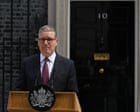
Starmer's Departure Opens Path for Burnham Leadership
Andy Burnham is poised to become the next Prime Minister of the United Kingdom after Keir Starmer announced his resignation following mounting pressure from within Labour ranks. The dramatic shift in British politics marks a turning point for the governing party as internal discord over party direction and electoral strategy reaches a critical juncture.
Starmer's decision to step down comes after extensive deliberation with senior party figures and reflects acknowledgment that fresh leadership is necessary to navigate current political challenges. Andy Burnham, the former Greater Manchester mayor and newly elected Makerfield MP, stands as the overwhelming frontrunner to assume the highest office without meaningful opposition emerging within party structures.
Reasons Behind the Leadership Change
The resignation announcement culminated months of escalating tension between the Prime Minister and Labour MPs, with particular concerns centered on the party's positioning against the rising political threat from Reform UK. Multiple cabinet ministers and backbench members had expressed reservations about Starmer's capacity to guide the party effectively toward the next general election.
These internal divisions reflected broader anxieties about electoral viability and party unity. The emergence of Reform UK as a significant political force galvanized calls for strategic reassessment within Labour circles, prompting senior figures to conclude that organizational change would strengthen the party's competitive standing.
Burnham's Policy Vision and Cabinet Considerations
Andy Burnham intends to unveil his strategic agenda through a series of substantive policy speeches beginning the following week. These addresses will emphasize economic matters and devolution arrangements, signaling a departure from established government priorities and presenting voters with tangible policy differentiation.
The prospective Prime Minister remains evaluates potential appointments to key cabinet positions. Ed Miliband has emerged as a likely candidate for Chancellor, though final determinations have not yet crystallized. Sources indicate Burnham recognizes both advantages and risks associated with this appointment, including potential business sector concerns and union opposition to Treasury orthodoxy challenges.
Cabinet Structure Under Burnham
Shabana Mahmood, the current Home Secretary, is anticipated to retain her position following Burnham's public acknowledgment of her robust handling of immigration policy matters during recent campaign activity. Her continuance suggests consistency in certain governmental functions while broader changes take shape elsewhere.
Wes Streeting faces uncertain positioning within cabinet deliberations. Although previously discussed for senior roles, Streeting lacks significant leverage in ongoing negotiations, according to campaign insiders. Some observers have proposed his appointment to the chancellorship as a reassurance mechanism for financial markets, though alternative configurations remain under consideration.
Challenges to Burnham's Succession
While Andy Burnham appears positioned for virtually unopposed accession, Starmer loyalists have not entirely abandoned efforts to identify an alternative candidate capable of mounting a credible challenge. Such efforts would depend substantially on specific cabinet appointment decisions, particularly regarding the chancellorship position.
Darren Jones has been mentioned as a potential rival candidate, though available evidence suggests he is not actively organizing a leadership campaign. Sources remained equivocal regarding his ultimate intentions, declining categorical statements about future political movements.
Transition Timeline and Broader Implications
The leadership transition represents a significant inflection point for British politics and Labour's electoral strategy. Burnham's ascension will facilitate organizational restructuring and policy reorientation designed to address party concerns about contemporary political competition.
Andy Burnham's background as Greater Manchester mayor provides executive governance experience and regional perspective that senior party figures believe could strengthen Labour's appeal across diverse constituencies. His appointment would introduce different leadership styles and policy priorities compared to the outgoing administration.
The succession process, conducted largely without serious internal opposition, reflects broad consensus that institutional change serves party interests more effectively than continued reliance on existing leadership. This unusual unity around transition procedures suggests underlying recognition that electoral prospects depend on demonstrable renewal and strategic adjustment.