
American Helicopter Strikes Cargo Ship Engine Room in Gulf of Oman
US Central Command confirms helicopter attack on Panama-flagged vessel attempting to breach Iranian blockade in Gulf of Oman waters.
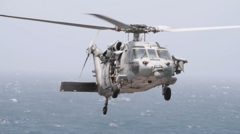
Helicopter Strike Targets Vessel in Strategic Waterway
The United States military has confirmed that a helicopter strikes cargo vessel operations in the Gulf of Oman, with American forces deliberately targeting the engine room of a Panama-registered cargo ship. According to statements from US Central Command, the military intervention was designed to disable the vessel's propulsion systems and prevent it from circumventing established maritime restrictions.
The incident marks an escalation in efforts to enforce international shipping regulations within one of the world's most strategically important maritime corridors. The Gulf of Oman serves as a critical passage for global commerce, connecting international shipping lanes to the Strait of Hormuz and the Persian Gulf beyond.
Strategic Context of the Operation
The helicopter strikes cargo vessel incident occurred as part of ongoing enforcement operations in the region. US Central Command oversees military activities across a vast geographic area encompassing the Middle East and parts of Central Asia, making it the primary authority for validating military actions in the Gulf of Oman.
The Panama-flagged vessel had reportedly been attempting to breach established blockade measures in the region. Such maritime enforcement operations have become increasingly common as international tensions continue to shape naval operations throughout the Indian Ocean and Arabian Gulf regions.
Engine Room Damage Assessment
The precision targeting of the cargo ship's engine room indicates a deliberate strategy to immobilize the vessel without causing catastrophic structural damage. By focusing ordnance on propulsion systems rather than the hull, military commanders sought to achieve mission objectives while minimizing potential humanitarian risks.
Engine room strikes represent a calculated approach to naval interdiction, allowing US forces to disable vessels suspected of violating sanctions or embargo regulations without resorting to more destructive measures. This tactical approach has been documented in previous maritime enforcement operations conducted by American naval forces throughout the Persian Gulf and adjacent waterways.
International Maritime Law Implications
The helicopter strikes cargo vessel operation raises important questions about maritime enforcement authority and international legal frameworks governing naval operations. The use of military force against commercial shipping, even when targeting specific systems, falls within a complex legal gray area defined by international maritime conventions.
Panama-flagged vessels operating in international waters maintain certain protections under international law, though enforcement agencies argue that sanctions violations and blockade breaches supersede standard maritime protections. The incident reflects ongoing tensions between military enforcement objectives and established international maritime protocols.
Regional Security Dynamics
The Gulf of Oman represents a critical flashpoint for regional security concerns, with multiple international actors maintaining military presences throughout the waterway. The helicopter strikes cargo vessel incident demonstrates the ongoing commitment of US military forces to maintain freedom of navigation and enforce established international restrictions on maritime commerce.
American naval operations in this region have intensified in recent years, driven by concerns about Iranian maritime activities and the potential movement of prohibited goods through international shipping channels. The deployment of helicopter assets for maritime interdiction reflects sophisticated surveillance and rapid-response capabilities maintained by the United States military.
Military Response Capabilities
The successful execution of the helicopter strikes cargo vessel operation showcases advanced targeting capabilities available to US military forces. Precision weapons systems integrated with real-time intelligence gathering allow commanders to conduct selective strikes against specific vessel components, reducing collateral damage while achieving operational objectives.
These capabilities represent years of technological development and operational refinement, enabling military personnel to conduct complex maritime operations with minimal civilian impact. The helicopter strike methodology demonstrates the evolution of naval enforcement tactics in contemporary military operations.
Broader Context and Implications
This helicopter strikes cargo vessel incident must be understood within the broader context of regional maritime security challenges and international enforcement mechanisms. The situation reflects ongoing international efforts to maintain compliance with established sanctions regimes and prevent prohibited materials from reaching their intended destinations.
As maritime commerce continues to represent a vital component of international trade, military enforcement operations like the helicopter strikes cargo vessel incident will likely continue shaping regional dynamics and international relations. The incident underscores the persistent security challenges that characterize the Gulf of Oman and surrounding strategic waterways.