
Aldi Disrupts US Grocery Market With Affordable Almond Butter Strategy
Discover how Aldi's $9bn US expansion targets urban centers with competitively-priced almond butter. Can the discount retailer rival Walmart's dominance?
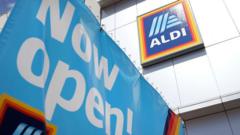
Aldi's Strategic Entry Into the American Grocery Landscape
The German retail powerhouse has embarked on an ambitious $9 billion investment to establish its presence across the United States, positioning affordable almond butter as a centerpiece of its value-driven merchandising approach. This expansion represents one of the most significant foreign retail initiatives targeting American consumers in recent years, with a particular emphasis on densely populated metropolitan areas including Manhattan and other major urban centers.
Aldi's entrance into the competitive US grocery sector comes at a time when American shoppers increasingly prioritize value without compromising on product quality. The supermarket's commitment to offering premium items like almond butter at just $4 per unit demonstrates its intention to challenge established market leaders through aggressive pricing strategies and operational efficiency.
Understanding Aldi's Discount Model Philosophy
The German retailer's business framework relies on a fundamentally different approach than traditional American supermarkets. By maintaining a limited product selection—typically featuring around 1,400 items compared to the 30,000 to 50,000 items found in conventional stores—Aldi reduces operational complexity and overhead costs significantly.
This streamlined inventory strategy allows the company to negotiate better terms with suppliers and pass savings directly to consumers. The almond butter offering at $4 exemplifies this commitment, as comparable products at mainstream competitors often retail between $8 and $12. Such price differentials have proven instrumental in attracting price-conscious shoppers across multiple demographics, from budget-focused families to health-conscious urban professionals seeking affordable nutrition options.
Targeting Urban Metropolitan Centers
Aldi's expansion blueprint prioritizes high-density urban locations where demographic profiles align with its value proposition. Manhattan and similar metropolitan hubs represent ideal markets due to their concentrated populations and significant foot traffic potential.
Urban consumers typically demonstrate greater openness to alternative retail formats and frequently shop across multiple stores to optimize spending. The supermarket's positioning in these areas enables it to capture market share from both conventional competitors and specialty health food retailers. The availability of premium items like organic almond butter at discount prices appeals particularly to urban dwellers balancing wellness aspirations with budget constraints.
The Competitive Challenge: Aldi Versus Walmart
While Walmart dominates the American discount grocery segment through its sprawling store network and diversified product ecosystem, Aldi presents a distinctly different competitive model. Walmart's strength lies in one-stop shopping convenience and geographic accessibility across suburban and rural markets, whereas Aldi targets efficiency-minded consumers in urbanized areas.
The fundamental question surrounding this competitive dynamic centers on whether Aldi's discount model can achieve meaningful market penetration against entrenched competitors. Walmart's $9 billion in revenue from grocery operations alone dwarfs Aldi's current US presence, yet the German retailer's proven success in European markets suggests viable pathways to profitability.
Aldi's advantages include superior product curation, stronger emphasis on private-label quality, and operational margins that enable competitive pricing on premium items. Conversely, Walmart benefits from established consumer loyalty, extensive supply chain infrastructure, and the convenience of integrated retail experiences combining groceries with general merchandise.
Product Differentiation and Private Label Strategy
The $4 almond butter exemplifies Aldi's broader strategy of offering name-brand alternatives and proprietary products at prices that undercut traditional retailers. Unlike Walmart's approach of mixing branded items with budget-focused alternatives, Aldi emphasizes curated selections featuring premium private-label offerings.
This differentiation strategy resonates particularly with affluent urban consumers who view discount shopping not as financial necessity but as intelligent purchasing behavior. The psychological shift from "discount store shopping" to "smart shopping" has enabled Aldi to expand its customer base beyond traditional budget segments into middle and upper-middle-income demographics.
The Nine Billion Dollar Commitment: Investment Scope and Timeline
Aldi's $9 billion investment encompasses store openings, infrastructure development, supply chain establishment, and marketing initiatives across multiple US regions. This substantial capital commitment reflects the company's long-term confidence in American market opportunities and its willingness to absorb initial losses during the expansion phase.
The investment timeline spans multiple years, with phased store openings designed to optimize supply chain functionality and market penetration without overwhelming operational capacity. This measured approach contrasts with some international retailers' aggressive expansion strategies that frequently resulted in overextension and financial underperformance.
Conclusion: Redefining American Grocery Competition
Aldi's entry into the US market with aggressive pricing on premium products like $4 almond butter signals a fundamental shift in competitive dynamics within American grocery retail. While directly displacing Walmart remains implausible, Aldi's expansion threatens to capture meaningful market segments and force price competition on premium private-label items. Success depends on execution efficiency, supply chain optimization, and sustained consumer confidence in the brand's value proposition across metropolitan markets.