Dracula Review and Star Rating: ★★ Exploring the Boundaries of Live Video in Theatre Productions
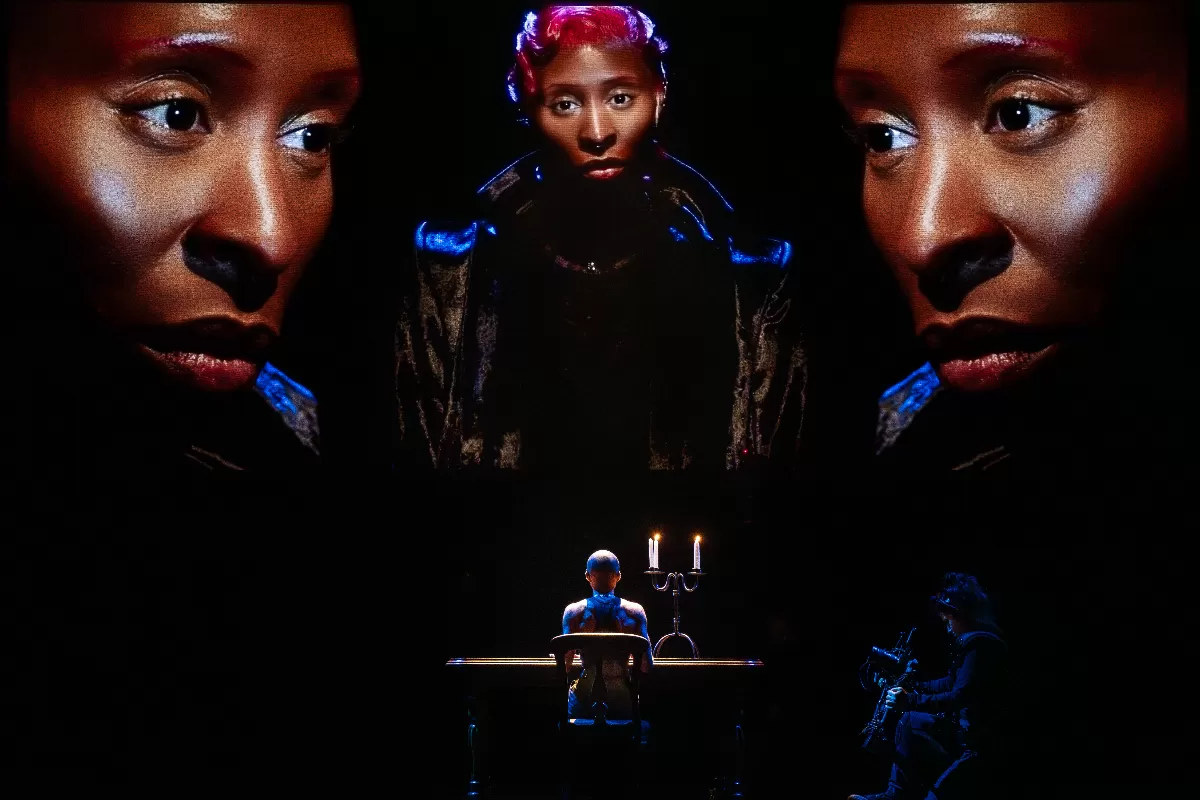
Theatre has always been a medium that pushes boundaries and challenges traditional storytelling techniques. In recent years, there has been a growing trend of incorporating live video into theatre productions, blurring the lines between the stage and the screen. Kip Williams’ adaptation of Dracula is a prime example of this trend, taking it to new heights with its use of giant video screens and pre-recorded footage. While this may be a bold and innovative approach, it begs the question: how much further can this trend go?
First, let’s delve into the production itself. Williams’ Dracula is a visually stunning and technically impressive show. The use of live video adds a layer of depth and dimension to the storytelling, creating a sense of immersion for the audience. The giant video screens, strategically placed around the stage, allow for seamless transitions between scenes and provide a cinematic experience for the viewers. The pre-recorded footage, combined with the live action on stage, creates a unique and dynamic viewing experience.
However, as much as the technical aspects of the production are impressive, it is the storytelling that ultimately falls short. The use of live video often takes away from the live performance, making it feel more like a film at the cinema rather than a live theatre production. This can be a jarring experience for theatre-goers who are used to the immediacy and intimacy of live performances. The reliance on pre-recorded footage also takes away from the spontaneity and improvisation that is inherent in live theatre.
Moreover, the use of live video in theatre productions raises questions about the role of the audience. In traditional theatre, the audience is an active participant, engaging with the performers and reacting in real-time. However, with the incorporation of live video, the audience becomes passive observers, watching the action unfold on screen rather than being fully present in the moment. This can create a disconnect between the audience and the performers, hindering the emotional impact of the production.
Despite these shortcomings, it is important to acknowledge the potential of incorporating live video in theatre productions. It opens up new possibilities for storytelling and allows for a more immersive experience for the audience. It also provides opportunities for collaboration between theatre and film, bridging the gap between these two mediums. However, it is crucial to strike a balance between the use of live video and the live performance, ensuring that one does not overshadow the other.
In conclusion, Kip Williams’ adaptation of Dracula is a visually stunning and technically impressive production that pushes the boundaries of traditional theatre. However, it also raises questions about the future of incorporating live video in theatre productions. While it has its merits, it is important to consider the impact it has on the live performance and the role of the audience. As with any trend, it is essential to constantly evaluate and evolve in order to maintain the integrity and essence of live theatre. With that being said, Dracula receives a solid ★★ rating for its bold and innovative approach, but there is still room for growth and improvement in this emerging trend.


![Complete BritRail Pass Guide [Types, How to Use It, Pros + Cons]](https://inside-news.uk/wp-content/uploads/2025/06/00221EB4-BCA2-4DBB-6CD4-83DBC37D71FA-120x86.webp)