
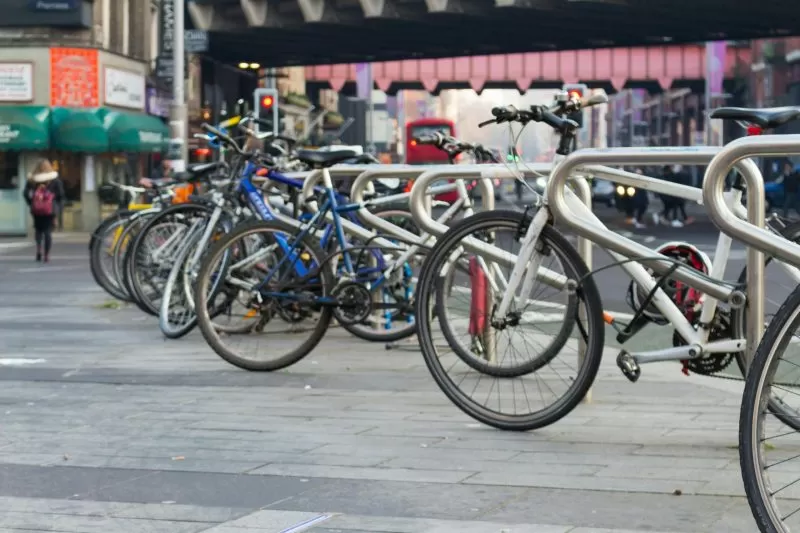
In recent years, London has witnessed a significant increase in daily bike usage, with more than 1.5 million journeys recorded last year alone. This marks a 25-year high in cycling, providing a much-needed boost for the city’s efforts towards a greener and more sustainable future.
The rise in daily bike journeys is a clear indication of the growing trend towards cycling in London. With improved infrastructure, increased awareness, and changing attitudes towards sustainable transportation, more and more Londoners are choosing to hop on their bikes for their daily commute or leisure activities.
One of the main factors driving this surge in cycling is the significant investment in cycling infrastructure by Transport for London (TfL). Over the last few years, TfL has implemented various measures to make cycling safer and more accessible, including the introduction of cycle superhighways, segregated cycle lanes, and low-traffic neighborhoods. These initiatives have not only encouraged more people to take up cycling but have also made it a more appealing option for those who were previously deterred by safety concerns.
Additionally, the ongoing pandemic has also played a crucial role in the increase in daily bike usage. With public transport becoming less desirable due to social distancing measures, many Londoners have turned to cycling as a safer and more socially distant mode of transportation. This has also been reflected in the sales of bicycles, with many bike shops reporting a surge in demand since the start of the pandemic.
But it’s not just practicality that is driving the rise in cycling. Many Londoners have also discovered the physical and mental health benefits of cycling. With the daily stresses of city life, cycling provides a much-needed escape and a chance to stay active and healthy. It’s also a more environmentally friendly mode of transportation, reducing carbon emissions and contributing towards a cleaner and greener London.
The 25-year high in daily bike usage is a testament to the hard work and dedication of various organizations and individuals who have been promoting cycling in the city. From cycling advocacy groups to local community initiatives, their efforts have not gone unnoticed. The success of London’s cycle hire program, Santander Cycles, is another example of how collaborations between the public and private sector can drive positive change and encourage more people to choose cycling.
The benefits of increased daily bike usage in London go beyond just environmental and health benefits. It also has a significant impact on the city’s economy. With more people cycling, there is a decrease in traffic congestion, leading to shorter travel times and improved air quality. This, in turn, has a positive impact on businesses, making it easier for them to move goods and services around the city.
Looking ahead, it is essential to maintain this momentum and continue to promote cycling as a viable mode of transportation in London. This means investing in more cycling infrastructure, educating the public about the benefits of cycling, and encouraging more people, especially women and children, to take up cycling. It also means creating a cycling culture in London, where cycling is not just seen as a form of transportation, but also a way of life.
In conclusion, the 25-year high in daily bike usage in London is a cause for celebration. It is a clear indication that Londoners are embracing cycling as a mode of transportation, and the city is taking significant steps towards a greener, healthier, and more sustainable future. Let us continue to pedal towards a brighter future for London.

![Complete BritRail Pass Guide [Types, How to Use It, Pros + Cons]](https://inside-news.uk/wp-content/uploads/2025/06/00221EB4-BCA2-4DBB-6CD4-83DBC37D71FA-120x86.webp)