
Global Legal Disputes Over ‘Squatted’ Web Addresses on the Rise as Companies Fight Against Counterfeit Goods
In today’s digital age, the internet has become a vital platform for businesses to reach out to their customers and promote their products. However, with the rise of e-commerce, there has also been an increase in the number of counterfeit goods being sold online. This has led to a surge in global legal disputes over ‘squatted’ web addresses, with big companies, especially fashion brands, taking a stand against this growing issue.
According to data shared by Mathys & Squire with City AM, there were 6,282 cases of legal disputes over web addresses last year, a significant increase from 4,204 cases five years ago. This represents a 49% rise in disputes, highlighting the severity of the issue at hand. Moreover, the data also shows a staggering 128% increase in disputes over the past decade, indicating the need for stricter measures to combat this problem.
The term ‘squatted’ web addresses refer to domain names that are registered by individuals or entities with the intention of selling them to companies at a higher price. These web addresses are often similar to the official domain names of well-known brands, making it easier for counterfeiters to deceive unsuspecting customers. This not only affects the reputation of the brand but also poses a threat to the safety and trust of consumers.
One of the main industries affected by this issue is the fashion industry. With the rise of fast fashion and the demand for affordable luxury goods, counterfeiters have found a lucrative market to sell their fake products. This has led to a rise in legal disputes over web addresses, as fashion brands are taking a stand against these fraudulent activities.
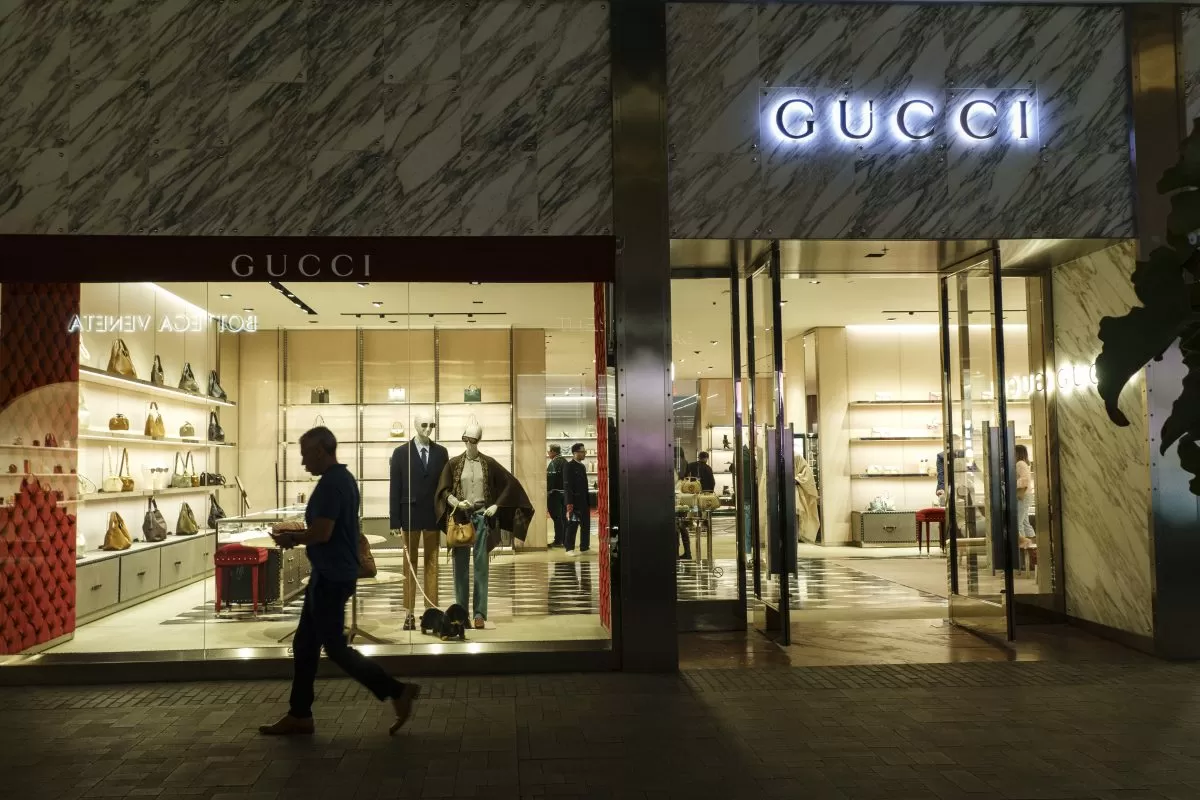
In recent years, we have seen several high-profile cases of fashion brands taking legal action against ‘squatted’ web addresses. One such example is the luxury fashion brand, Gucci, which won a case against a Chinese individual who registered 100 domain names that were similar to the brand’s official website. This victory not only helped Gucci protect its brand but also sent a strong message to counterfeiters that their actions will not be tolerated.
Apart from fashion brands, other industries such as technology, pharmaceuticals, and entertainment have also been affected by this issue. With the rise of online streaming services, there has been an increase in the number of ‘squatted’ web addresses that offer illegal downloads of movies and TV shows. This not only affects the revenue of production companies but also poses a threat to the intellectual property rights of content creators.
To combat this issue, companies are not only taking legal action but also implementing preventive measures. Many brands are now actively monitoring the internet for any suspicious activities and taking down ‘squatted’ web addresses before they can cause any harm. Moreover, companies are also investing in technologies such as blockchain to secure their online presence and prevent counterfeiting.
The rise in global legal disputes over ‘squatted’ web addresses is a clear indication of the growing concern over counterfeit goods. It is not only a threat to businesses but also to consumers who may unknowingly purchase fake products. Therefore, it is crucial for companies to take a stand against this issue and work towards finding a long-term solution.
In conclusion, the increase in legal disputes over ‘squatted’ web addresses is a wake-up call for businesses to take action against counterfeit goods. With the rise of e-commerce, it has become easier for counterfeiters to deceive consumers, and it is the responsibility of companies to protect their brand and their customers. By implementing preventive measures and taking legal action, we can work towards creating a safer and more trustworthy online environment for all.


![Complete BritRail Pass Guide [Types, How to Use It, Pros + Cons]](https://inside-news.uk/wp-content/uploads/2025/06/00221EB4-BCA2-4DBB-6CD4-83DBC37D71FA-120x86.webp)