
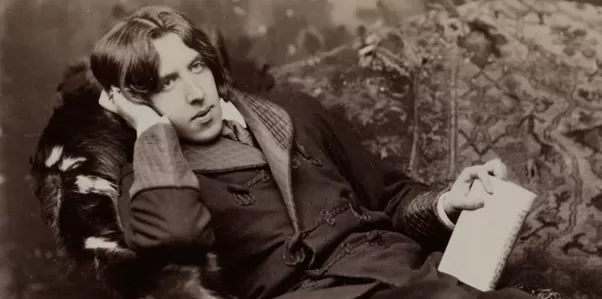
In a world where love and acceptance is often fought for, it is truly heartwarming to come across a letter that embodies passion, loyalty and a plea for clemency. Lord Alfred Douglas’ letter to Queen Victoria, on display at The National Archives’ Love Letters exhibition, is a poignant reminder of the power of love and the lengths one would go to protect it.
The letter, written on 25 June 1895, was a desperate plea from Lord Alfred Douglas to the Queen, asking for her intervention in the case of his beloved Oscar Wilde. Wilde, a renowned poet and dramatist, had been convicted of “gross indecency” and sentenced to two years of hard labor. The severity of the sentence was a result of his relationship with Lord Alfred Douglas, who was also his lover.
In the letter, Lord Alfred Douglas begs Queen Victoria to exercise her “power of pardon” and spare Wilde from the harsh punishment. He passionately defends Wilde’s character, stating that he is a “gentleman” and “a man of letters” who has been “misunderstood and persecuted.” He also highlights Wilde’s contributions to literature and the arts, stating that his works have brought joy and inspiration to many.
Lord Alfred Douglas’ plea for clemency is not only a testament to his love for Wilde, but also a reflection of the unjust and discriminatory laws of the time. Homosexuality was considered a crime and those who engaged in same-sex relationships were harshly punished. This letter, therefore, is a cry for justice and a reminder that love knows no boundaries or prejudices.
As we read Lord Alfred Douglas’ words, we are transported to a time where love was not readily accepted, and individuals like Wilde were forced to hide their true selves. It is a sobering thought, and one that makes us appreciate the progress we have made in terms of LGBTQ+ rights.
The National Archives’ Love Letters exhibition, where this letter will be displayed, is a celebration of love in all its forms. It showcases letters from different periods and cultures, highlighting the universal nature of love. The inclusion of Lord Alfred Douglas’ letter adds a unique dimension to the exhibition, as it brings to light the struggles faced by the LGBTQ+ community in the past.
But beyond its historical significance, this letter also serves as a reminder of the power of love and the strength of the human spirit. Lord Alfred Douglas’ unwavering love for Wilde and his determination to fight for him is a testament to the enduring nature of love. It is a love that transcends all obstacles and stands the test of time.
As we read Lord Alfred Douglas’ passionate plea, we cannot help but wonder what the outcome would have been if his request had been granted. Would Wilde’s life have taken a different path? Would he have continued to create beautiful works of art? While we may never know the answers to these questions, one thing is for sure – Lord Alfred Douglas’ love for Wilde has left a lasting mark in history.
In the end, we can only hope that Queen Victoria was moved by Lord Alfred Douglas’ letter and that it played a part in her decision to eventually grant Wilde a pardon in 1897. But even if it didn’t, this letter will forever remain a symbol of love, courage, and the fight for justice.
As we visit The National Archives’ Love Letters exhibition and come across Lord Alfred Douglas’ letter, let us take a moment to reflect on the power of love and the struggles faced by the LGBTQ+ community in the past. And let us also be reminded that love knows no boundaries, and it is our duty to fight for it, always.


![Complete BritRail Pass Guide [Types, How to Use It, Pros + Cons]](https://inside-news.uk/wp-content/uploads/2025/06/00221EB4-BCA2-4DBB-6CD4-83DBC37D71FA-120x86.webp)