
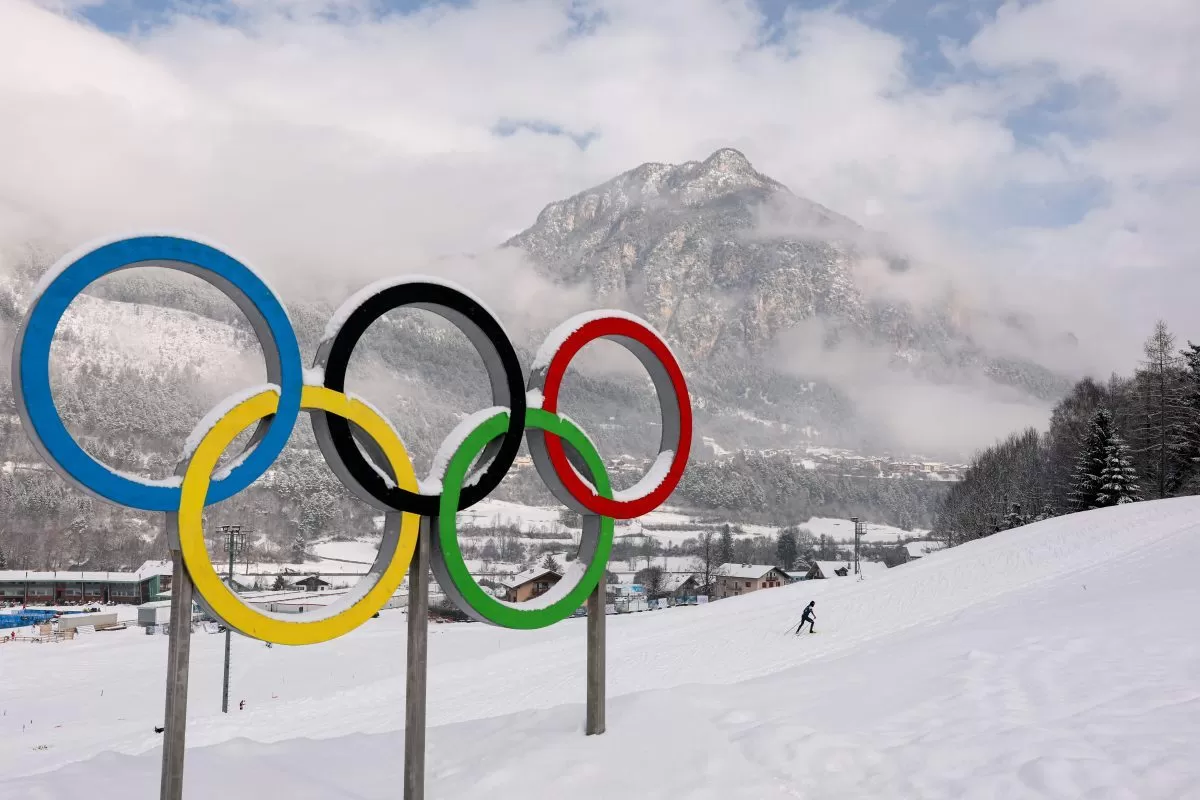
The Milano Cortina Winter Olympics have come to an end, leaving behind a trail of unforgettable memories and remarkable achievements. As we reflect on the Games, it is not just the spectacular performances that stand out, but also the unique structure of the event. Spread across multiple cities, with regional clusters and existing venues being reused, these Games were a perfect blend of pragmatism and fiscal discipline, while still maintaining their prestige.
The traditional model of hosting the Olympics has always been centered around one city, with all the events taking place in and around it. However, the Milano Cortina Games took a different approach, spreading out the events across multiple cities in the Lombardy and Veneto regions of Italy. This not only allowed for a more efficient use of resources but also showcased the diversity and beauty of these regions to the world.
One of the major advantages of this spread-out model was the reuse of existing venues. Instead of building new facilities, the organizers chose to utilize the ones already in place, making the Games more sustainable and cost-effective. This decision not only saved millions of dollars but also reduced the environmental impact of the event. It is a testament to the organizers’ commitment to fiscal discipline and responsible use of resources.
The regional clusters also played a significant role in the success of the Games. By grouping events in close proximity, it made it easier for athletes, officials, and spectators to travel between venues. This not only saved time but also created a sense of community and camaraderie among the participants. It also allowed for a more intimate experience for the spectators, as they could easily attend multiple events in one day.
But perhaps the most striking aspect of the Milano Cortina Winter Olympics was the iconic cultural backdrop. The cities of Milan and Cortina d’Ampezzo are known for their rich history, art, and architecture. By hosting events in these cities, the Games were not just about sports, but also a celebration of Italian culture and heritage. The breathtaking views of the Italian Alps and the charming streets of Milan added a unique charm to the Games, making it a truly unforgettable experience for everyone involved.
The spread-out model may have muted the traditional host-city buzz, but it brought its own set of advantages. It allowed for a more inclusive and diverse Games, with events being held in smaller cities and towns, giving them a chance to shine on the global stage. It also reduced the burden on one city to host all the events, making it a more manageable and sustainable task.
As we bid farewell to the Milano Cortina Winter Olympics, we cannot help but applaud the organizers for their innovative and practical approach to hosting the Games. They have set a new standard for future host cities, showing that it is possible to create a spectacular and memorable event while also being responsible and mindful of resources. The spread-out model has proven to be a success, and we can only hope that it will be adopted by future host cities.
In conclusion, the Milano Cortina Winter Olympics were not just about the spectacular performances and record-breaking achievements, but also about the unique and practical structure of the event. The spread-out model, with its focus on sustainability, fiscal discipline, and cultural diversity, has set a new benchmark for future Olympic Games. It has truly been a remarkable and unforgettable experience, and we can only look forward to what the future holds for the Olympics.


![Complete BritRail Pass Guide [Types, How to Use It, Pros + Cons]](https://inside-news.uk/wp-content/uploads/2025/06/00221EB4-BCA2-4DBB-6CD4-83DBC37D71FA-120x86.webp)