
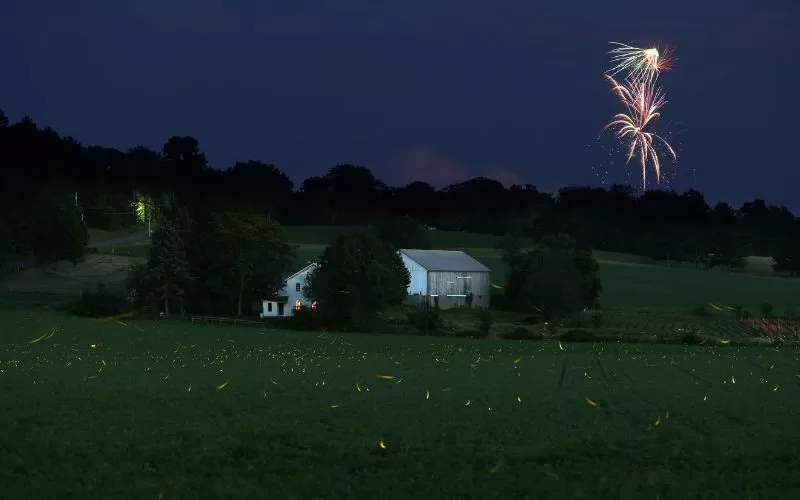
Thousands of people across the UK welcomed the New Year with a spectacular display of fireworks, lighting up the night sky and filling the air with a sense of joy and celebration. However, while we were busy admiring the colorful bursts of light and loud bangs, we may have overlooked the devastating effect these fireworks have on our wildlife.
Fireworks have become an integral part of our New Year’s Eve celebrations, with many people setting off their own displays in their backyards or attending large public events. But what we don’t realize is that these seemingly harmless fireworks can have a significant impact on the animals that share our environment.
The loud noises and bright lights of fireworks can cause distress and confusion for many animals, especially those with sensitive hearing and vision. Birds, for example, have highly sensitive hearing and can become disoriented and frightened by the loud explosions. This can cause them to fly into buildings or other objects, resulting in serious injuries or even death.
Similarly, many small mammals such as hedgehogs, squirrels, and rabbits can also be affected by fireworks. The loud noises can cause them to flee from their habitats, leaving them vulnerable to predators or getting lost. This disruption can also lead to a decrease in their breeding and foraging activities, which can have a long-term impact on their population.
But it’s not just the noise and lights that pose a threat to our wildlife. The debris left behind by fireworks can also be harmful. The colorful paper, plastic, and metal remnants can be mistaken for food by animals, leading to ingestion and potential choking or digestive issues. The chemicals used to create the vibrant colors in fireworks can also be toxic to animals if ingested.
Moreover, the pollution caused by fireworks can have a detrimental effect on the environment. The smoke and chemicals released into the air can contribute to air pollution, which can harm plants and animals. The debris left behind can also pollute water bodies, affecting aquatic life.
It’s not just New Year’s Eve that poses a threat to our wildlife. Fireworks are also used for other celebrations such as Diwali and Bonfire Night. This means that the negative impact on our environment and wildlife is not limited to one night of the year but can happen multiple times, causing cumulative damage.
So, what can we do to minimize the impact of fireworks on our wildlife? One solution is to opt for silent fireworks, which use compressed air to create the visual effects without the loud noises. These are becoming increasingly popular, and many cities have already started using them for their public displays.
Another option is to limit the use of fireworks to designated areas, away from wildlife habitats. This can help reduce the disturbance caused to animals and also prevent the littering of debris in natural areas.
Individuals can also make a difference by being mindful of their surroundings and the impact of their actions. If you are planning to set off fireworks, consider the time and location, and try to minimize the impact on wildlife. After the celebrations, make sure to clean up any debris and dispose of it properly.
As a society, we must also raise awareness about the impact of fireworks on our wildlife and the environment. Educating people about the alternatives and the importance of responsible use can go a long way in protecting our wildlife.
In conclusion, while fireworks are a beautiful and exciting way to celebrate the New Year, we must also consider the unintended consequences they have on our wildlife. By taking small steps and being mindful of our actions, we can ensure that our celebrations do not come at the cost of our environment and the animals that call it home. Let’s welcome the New Year with a positive and responsible attitude towards our wildlife and make it a truly happy and sustainable celebration.


![Complete BritRail Pass Guide [Types, How to Use It, Pros + Cons]](https://inside-news.uk/wp-content/uploads/2025/06/00221EB4-BCA2-4DBB-6CD4-83DBC37D71FA-120x86.webp)