
The city of Indianapolis was rocked by a brutal crime over three decades ago, when a 19-year-old woman was raped and murdered. The case remained unsolved for years, leaving the victim’s family and the community in a state of shock and fear. But finally, after years of tireless efforts by law enforcement, justice has been served.
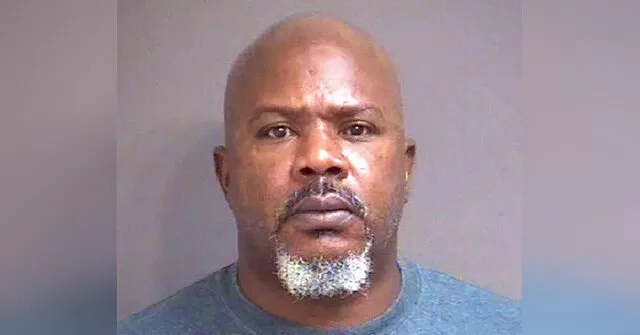
On Friday, a 53-year-old man was sentenced to 45 years in prison for the heinous crime. The killer rapist, whose identity has been withheld, was finally caught thanks to the advancements in genealogical DNA technology. This breakthrough in forensic science has helped solve many cold cases, and this is just one of the many success stories.
The victim, whose name has also been withheld, was a young woman with her whole life ahead of her. She was a daughter, a sister, a friend, and a member of the Indianapolis community. Her tragic death left a void in the lives of those who knew and loved her. For over three decades, her family and friends have been waiting for justice to be served, and finally, their prayers have been answered.
The killer rapist was identified through a DNA sample that was collected from the crime scene. This sample was then compared to a public genealogy database, which led to the identification of a distant relative of the perpetrator. Through further investigation and DNA testing, the killer was finally identified and brought to justice.
This case is a testament to the power of genealogical DNA technology and the dedication of law enforcement in solving cold cases. It also highlights the importance of preserving DNA evidence in all criminal cases, as it can be the key to solving crimes and bringing closure to victims and their families.
The sentencing of the killer rapist brings a sense of closure to the victim’s family and the community. It also serves as a warning to other criminals that justice will eventually catch up to them, no matter how long it takes. This case also sends a message of hope to other families of cold case victims, that their loved ones may still receive justice one day.
The Indianapolis community has come together to support the victim’s family throughout this long and difficult journey. The closure of this case is a victory for the entire community, as it brings a sense of safety and justice to all its members. It also serves as a reminder that the community will not tolerate such heinous crimes and will stand together to bring perpetrators to justice.
The use of genealogical DNA technology in solving this cold case is a significant milestone in the field of forensic science. It has opened up new possibilities for solving crimes that were once thought to be unsolvable. This technology has the potential to bring closure to many other cold cases and provide justice to victims and their families.
In conclusion, the sentencing of the killer rapist in the 30-year-old cold case is a victory for justice and a testament to the power of genealogical DNA technology. It brings closure to the victim’s family and the community, and serves as a warning to other criminals. This case also highlights the importance of preserving DNA evidence and the dedication of law enforcement in solving cold cases. Let us hope that this success story will inspire others to come forward and help solve other cold cases, bringing justice to more victims and their families.


![Complete BritRail Pass Guide [Types, How to Use It, Pros + Cons]](https://inside-news.uk/wp-content/uploads/2025/06/00221EB4-BCA2-4DBB-6CD4-83DBC37D71FA-120x86.webp)