
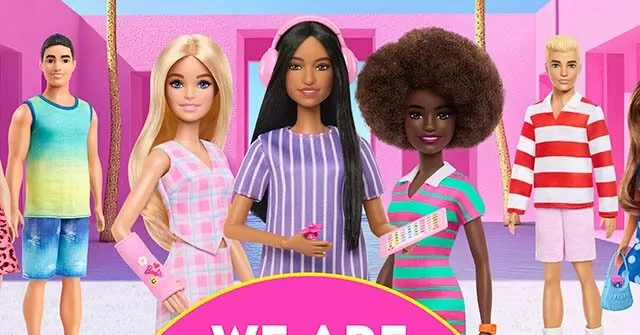
Mattel, the world-renowned toy company, has taken a major step towards inclusivity and representation with the release of its first-ever autistic Barbie doll. This new addition to the Fashionistas line has been developed in collaboration with the Autistic Self Advocacy Network (ASAN) to accurately reflect the experiences of children on the autism spectrum and to promote inclusive play.
The decision to introduce an autistic Barbie doll comes at a time when the world is becoming more aware of the importance of representation and diversity in all aspects of life. Children, especially, need to see themselves reflected in the toys they play with, and Mattel has recognized this need by creating a doll that represents the millions of children who are on the autism spectrum.
The new Barbie doll has been designed with input from the ASAN, an organization that advocates for the rights and inclusion of autistic individuals. This collaboration has ensured that the doll accurately portrays the experiences of children with autism, making it a valuable tool for promoting understanding and acceptance.
One of the most significant features of the autistic Barbie doll is its sensory-friendly design. The doll’s clothing and accessories have been carefully chosen to reflect the preferences of many autistic children, who may have sensitivities to certain textures or materials. This attention to detail is a testament to Mattel’s commitment to creating a doll that is truly representative of the autistic community.
In addition to its sensory-friendly design, the autistic Barbie doll also comes with a wheelchair and a ramp, making it the first Barbie doll to use a wheelchair in the Fashionistas line. This is a significant step towards promoting inclusivity and breaking down barriers for children with disabilities. By including a wheelchair in the doll’s accessories, Mattel is sending a powerful message of acceptance and representation.
The release of the autistic Barbie doll has been met with overwhelming support and praise from parents, children, and advocacy groups. Many parents of autistic children have expressed their gratitude for the creation of a doll that their child can relate to and see themselves in. This doll has the potential to boost the self-esteem and confidence of children on the autism spectrum, who often struggle with feeling different or excluded.
Moreover, the autistic Barbie doll has the potential to educate and raise awareness about autism among children who do not have personal experience with the condition. By playing with this doll, children can learn about the unique experiences and challenges faced by their peers on the autism spectrum, promoting empathy and understanding.
Mattel’s decision to collaborate with the ASAN and create an autistic Barbie doll is a significant step towards promoting inclusivity and representation in the toy industry. This move has the potential to pave the way for more diverse and inclusive toys in the future, making playtime a more inclusive and enriching experience for all children.
In conclusion, the release of the first-ever autistic Barbie doll by Mattel is a groundbreaking moment in the toy industry. This doll not only accurately represents the experiences of children on the autism spectrum but also promotes inclusivity and acceptance. Mattel’s collaboration with the ASAN is a testament to their commitment to creating toys that reflect the diversity of the world we live in. The autistic Barbie doll is a positive step towards a more inclusive and accepting society, and we can only hope to see more of such initiatives in the future.


![Complete BritRail Pass Guide [Types, How to Use It, Pros + Cons]](https://inside-news.uk/wp-content/uploads/2025/06/00221EB4-BCA2-4DBB-6CD4-83DBC37D71FA-120x86.webp)