
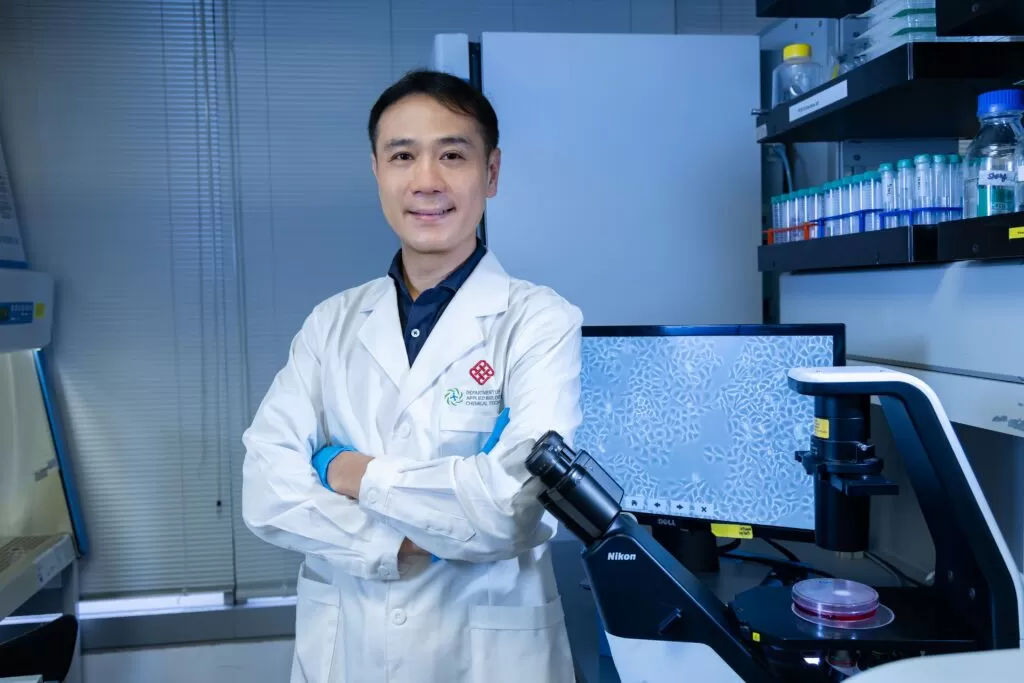
HONG KONG SAR – Media OutReach Newswire – 3 February 2026 – Liver cancer is a serious and often fatal disease that affects millions of people worldwide. Among the three deadliest cancers, liver cancer has been on the rise in recent years, with metabolic dysfunction-related cases becoming increasingly common. However, there is new hope in the fight against this deadly disease, as a research team from The Hong Kong Polytechnic University (PolyU) has made a groundbreaking discovery.
The team, led by Professor Wong Ka-leung, has identified a protein secreted by fat cells that promotes the growth of liver cancer. This discovery could potentially lead to a new approach in treating metabolism-related liver cancer, offering hope to patients and their families.
Liver cancer is a type of cancer that starts in the cells of the liver. It is the sixth most common cancer in the world and the third leading cause of cancer-related deaths. Metabolic dysfunction, such as obesity and diabetes, has been linked to an increased risk of developing liver cancer. This is because fat cells produce hormones and other substances that can promote the growth of cancer cells.
The research team at PolyU focused on a specific protein called adiponectin, which is secreted by fat cells. They found that this protein plays a crucial role in promoting the growth of liver cancer. By targeting this protein, they were able to inhibit the growth of cancer cells and even induce cell death.
This groundbreaking discovery was made possible through the use of a novel antibody developed by the team. The antibody specifically targets the adiponectin protein, blocking its function and preventing it from promoting cancer growth. This new approach could potentially lead to more effective and targeted treatments for liver cancer.
Professor Wong Ka-leung, who has been leading the research team at PolyU, expressed his excitement about this discovery. He stated, “We are thrilled to have identified this protein and its role in promoting liver cancer. This opens up new possibilities for developing targeted therapies that could potentially save lives.”
The team’s findings have been published in the prestigious scientific journal, Nature Communications. This recognition further highlights the significance of their discovery and its potential impact on the medical field.
Liver cancer is a complex and challenging disease to treat, and current treatment options are limited. This new approach offers a glimmer of hope for patients and their families, who are often faced with a grim prognosis. With further research and development, this could potentially lead to a breakthrough in the treatment of liver cancer.
The PolyU research team’s discovery also highlights the importance of continued investment in scientific research. Their breakthrough would not have been possible without the support and resources provided by the university and other funding bodies. This serves as a reminder of the crucial role that research institutions play in advancing medical knowledge and finding new treatments for diseases.
In conclusion, the discovery of a protein secreted by fat cells that promotes the growth of liver cancer is a significant breakthrough in the fight against this deadly disease. The novel antibody developed by the research team at PolyU offers a new approach to treating metabolism-related liver cancer, giving hope to patients and their families. With further research and development, this discovery could potentially save countless lives and bring us one step closer to a cure for liver cancer.


![Complete BritRail Pass Guide [Types, How to Use It, Pros + Cons]](https://inside-news.uk/wp-content/uploads/2025/06/00221EB4-BCA2-4DBB-6CD4-83DBC37D71FA-120x86.webp)