
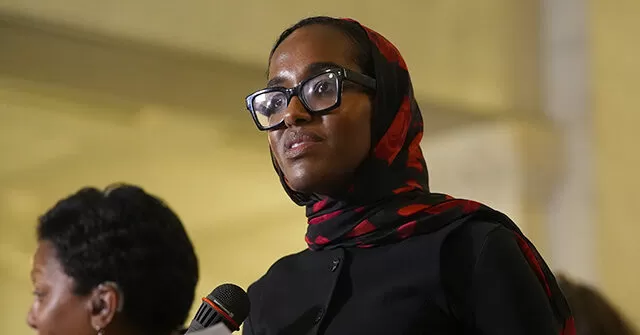
Somali migrants have been a part of Minnesota’s community for decades, bringing with them their culture, traditions, and hardworking spirit. Over the years, they have become an integral part of the state’s economy, contributing in various industries and sectors. However, recent claims by some Somali migrants that Minnesota’s economy would crash without them have sparked a debate and raised concerns about the community’s impact on the state.
According to State Senator Jim Abeler, the statement made by some Somali migrants is not entirely true. He believes that while the Somali community has made significant contributions to the state’s economy, it would not be accurate to say that Minnesota would not “survive, nor thrive” without them. In fact, he argues that the state’s economy is diverse and resilient enough to withstand any changes, including the absence of the Somali community.
Despite this, there is no doubt that the Somali community has played a vital role in Minnesota’s economy. With over 57,000 Somalis living in the state, they have created a significant impact on various industries, especially in the small business sector. Many Somali-owned businesses have thrived, providing employment opportunities for both Somalis and non-Somalis.
The community’s work ethic and entrepreneurial spirit have been praised by many, including Governor Tim Walz, who recently visited a Somali-owned construction company. He commended the company for its success and highlighted the contributions of the Somali community to the state’s economy. Moreover, many companies have recognized the value of hiring Somalis, citing their hardworking nature and willingness to learn.
However, while the Somali community has made positive contributions to the state, there have also been concerns about the growing cost of Somali-run welfare fraud. In recent years, there have been several cases of fraud within the community, with individuals misusing government benefits and aid programs. This has resulted in a significant financial burden on the state, raising questions about the accountability and integrity of the community.
In response to these concerns, the Somali community has taken steps to address the issue. Organizations such as the Somali-American Task Force have been working towards educating the community about the importance of responsible use of government aid. They have also been collaborating with state agencies to identify and prevent welfare fraud within the community.
It is essential to note that the actions of a few individuals should not overshadow the contributions of the entire Somali community. As with any community, there will always be a few bad apples, but it is unfair to generalize and label the entire community based on the actions of a few.
Overall, the Somali community has been a valuable asset to Minnesota’s economy, bringing diversity, innovation, and hard work. Their presence has enriched the state’s culture and created a vibrant and thriving community. However, it is crucial to address the concerns about welfare fraud and work towards finding solutions that benefit both the community and the state.
In conclusion, it is safe to say that Minnesota’s economy would not crash without the Somali community, but their absence would certainly be felt. The state’s economy is strong and diverse, and it is the collective efforts of all its communities that have contributed to its success. The Somali community is an essential part of the state’s fabric, and their contributions should be celebrated and appreciated. As we move forward, it is crucial to continue working together to build a stronger and more prosperous Minnesota for all its residents.


![Complete BritRail Pass Guide [Types, How to Use It, Pros + Cons]](https://inside-news.uk/wp-content/uploads/2025/06/00221EB4-BCA2-4DBB-6CD4-83DBC37D71FA-120x86.webp)