Another tropical storm has wreaked havoc in the Philippines, causing widespread devastation and displacement. On Friday, the country was hit by yet another natural disaster, leaving at least four people dead and forcing more than 433,000 residents to flee their homes in flood- and landslide-prone areas.
The storm, named Typhoon Vamco, made landfall in the eastern province of Quezon with winds of up to 155 kilometers per hour. It then moved westward, causing heavy rains and strong winds across the country. The National Disaster Risk Reduction and Management Council (NDRRMC) reported that the storm has affected 1.8 million people in 10 regions, with the majority of the damage occurring in the capital city of Manila.
The Philippines is no stranger to natural disasters, with its location in the Pacific Ring of Fire making it prone to typhoons, earthquakes, and volcanic eruptions. However, the frequency and intensity of these disasters have increased in recent years, with climate change being a major contributing factor. The country has already been battered by several typhoons this year, with Typhoon Vamco being the 21st to hit the Philippines in 2020.
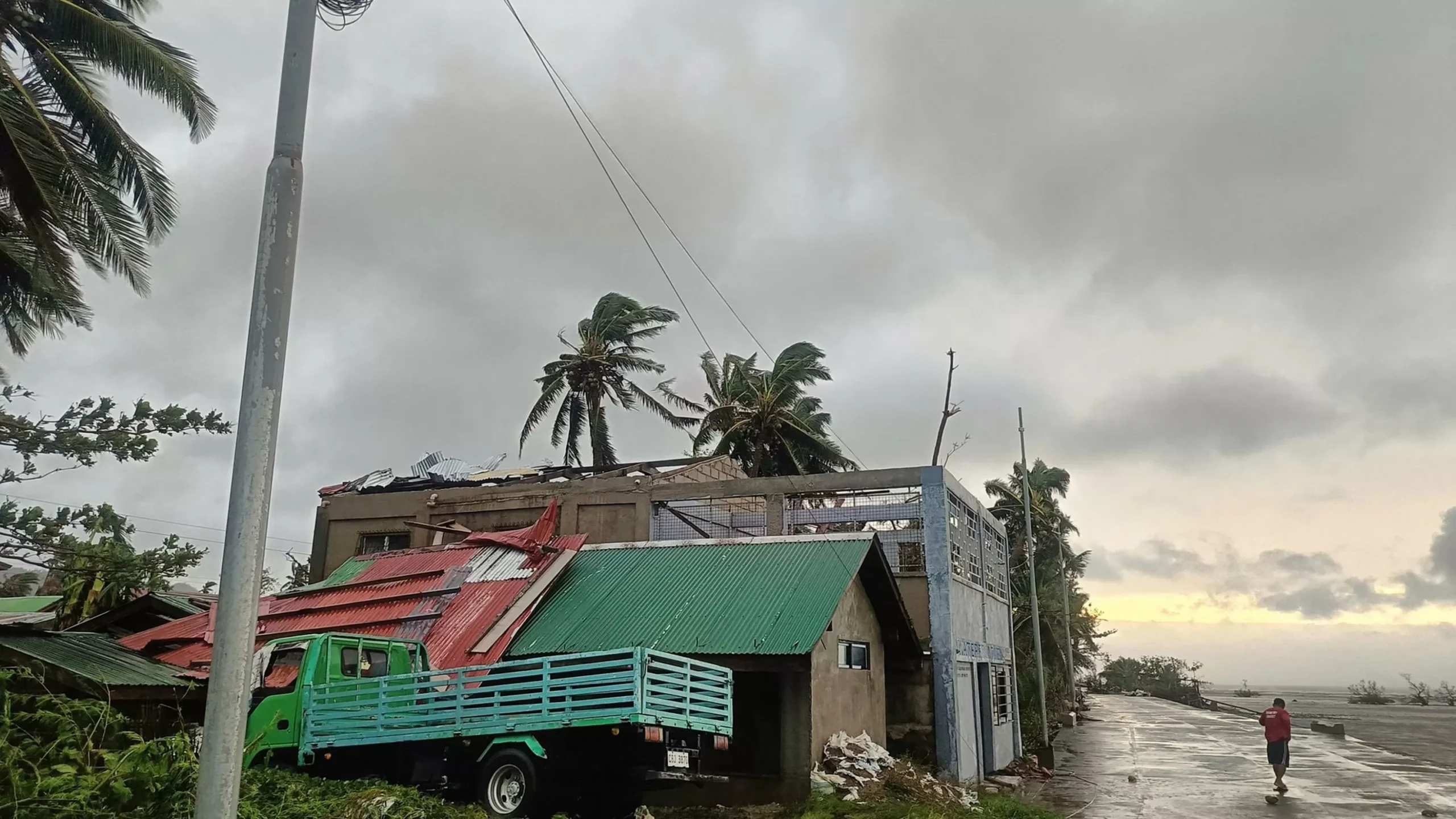
The aftermath of the storm has been devastating, with widespread flooding and landslides reported in many areas. The NDRRMC has reported that at least four people have died, and several others are still missing. The strong winds have also caused damage to infrastructure, including houses, roads, and power lines. Many areas are still without electricity, and communication lines have been disrupted, making it difficult for authorities to assess the full extent of the damage.
In the face of this disaster, the Filipino people have once again shown their resilience and strength. Local government units, together with the national government, have been working tirelessly to provide aid and assistance to those affected by the storm. The Philippine Coast Guard and the Armed Forces of the Philippines have been deployed to conduct search and rescue operations and help in the evacuation of affected communities.
The government has also activated its disaster response mechanisms, with the Department of Social Welfare and Development providing food and non-food items to affected families. The Department of Public Works and Highways has been working round the clock to clear roads and restore damaged infrastructure. The Department of Health has also set up medical teams in affected areas to provide immediate medical assistance to those in need.
Despite the challenges brought about by the storm, the Filipino people remain hopeful and resilient. The spirit of bayanihan, or community solidarity, is evident as people come together to help those in need. As the country continues to battle the ongoing COVID-19 pandemic, the government and its people are faced with yet another challenge. However, the Filipino people have proven time and again that they are strong and united, and together, they can overcome any adversity.
It is also worth noting that the government has taken proactive measures to mitigate the impact of natural disasters. The NDRRMC has been continuously monitoring the situation and providing timely updates and warnings to the public. The government has also invested in disaster risk reduction and management programs, such as building stronger infrastructure and implementing early warning systems, to minimize the impact of natural disasters.
As the country continues to recover from the aftermath of Typhoon Vamco, it is a reminder of the urgent need for global action on climate change. The Philippines, being one of the most vulnerable countries to the effects of climate change, is at the forefront of this battle. The government has been actively advocating for stronger climate policies and has committed to reducing its carbon emissions.
In conclusion, the recent tropical storm in the Philippines has once again tested the resilience of the Filipino people. However, in the face of this disaster, the country has shown its strength and unity. The government, together with its people, is working tirelessly to provide aid and assistance to those affected. As the country continues to recover, it is a reminder of the urgent need for global action on climate change to prevent future disasters. Together, we can build a more resilient and sustainable future for all.


![Complete BritRail Pass Guide [Types, How to Use It, Pros + Cons]](https://inside-news.uk/wp-content/uploads/2025/06/00221EB4-BCA2-4DBB-6CD4-83DBC37D71FA-120x86.webp)