
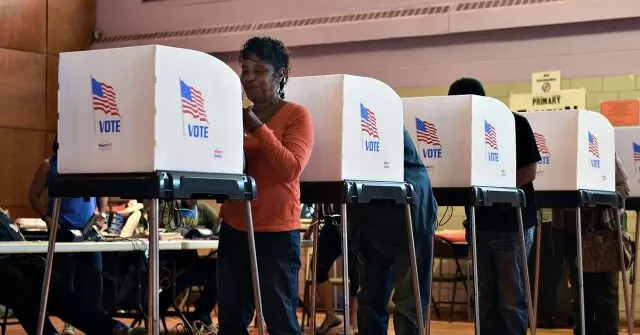
On Tuesday, the voters of Maine made a powerful statement about the importance of fair and secure elections. Despite pressure from certain political parties, the people of Maine overwhelmingly rejected proposed voter identification laws, recognizing that they are not necessary and could potentially disenfranchise certain groups of voters.
The proposed laws, pushed by Republicans, were touted as a way to protect local, state, and federal elections from fraud. However, many experts and advocates argued that these laws were unnecessary, discriminatory, and would only serve to suppress the voting rights of certain individuals.
The rejection of these laws by Maine voters is a victory for democracy and the fundamental right to vote. It sends a strong message that the people of Maine value fairness and inclusivity in their elections. By standing up against these laws, they have shown that they will not tolerate any attempts to restrict their right to participate in the democratic process.
Maine is not the first state to reject voter identification laws, and it certainly won’t be the last. In recent years, similar laws have been struck down in states like North Carolina, Texas, and Wisconsin. This is a testament to the growing awareness and understanding of the negative impact these laws can have on our democracy.
Proponents of voter ID laws argue that they are necessary to prevent voter fraud. However, studies have shown that voter fraud is extremely rare and that these laws do not actually prevent it. In fact, they can create barriers for certain groups, such as low-income individuals, elderly citizens, and people of color, who are less likely to have the necessary identification documents.
Furthermore, these laws can be expensive to implement and maintain, placing an unnecessary burden on taxpayers. In a time when governments are facing budget cuts and struggling to provide essential services, it is important to prioritize spending on policies that truly benefit the public.
The rejection of voter ID laws in Maine is also a victory for those who have been fighting for voting rights and equality. Organizations such as the American Civil Liberties Union and the NAACP have been vocal in their opposition to these laws, recognizing that they disproportionately affect minority and marginalized communities.
It is important to note that voter ID laws are often used as a tool for voter suppression, targeting groups that typically vote for the opposing party. This is a blatant attack on the democratic process and goes against the very principles of a fair and free election.
With the rejection of these laws, Maine has set an example for other states to follow. It is essential that we continue to push back against any attempts to restrict voting rights and ensure that every eligible citizen has the opportunity to exercise their right to vote.
In conclusion, the decision of Maine voters to reject voter ID laws is a victory for democracy and the principles of fairness and inclusivity. It sends a strong message that the people will not stand for any attempts to suppress their right to vote. Let us hope that other states will follow in Maine’s footsteps and protect the integrity of our elections by rejecting these unnecessary and discriminatory laws.


![Complete BritRail Pass Guide [Types, How to Use It, Pros + Cons]](https://inside-news.uk/wp-content/uploads/2025/06/00221EB4-BCA2-4DBB-6CD4-83DBC37D71FA-120x86.webp)